Materials guide
The roof types and details we work with
Roofs are not all the same, and they do not fail in the same ways. Here is a guide to the coverings and details we work on most, and what each one asks of you.
Natural slate
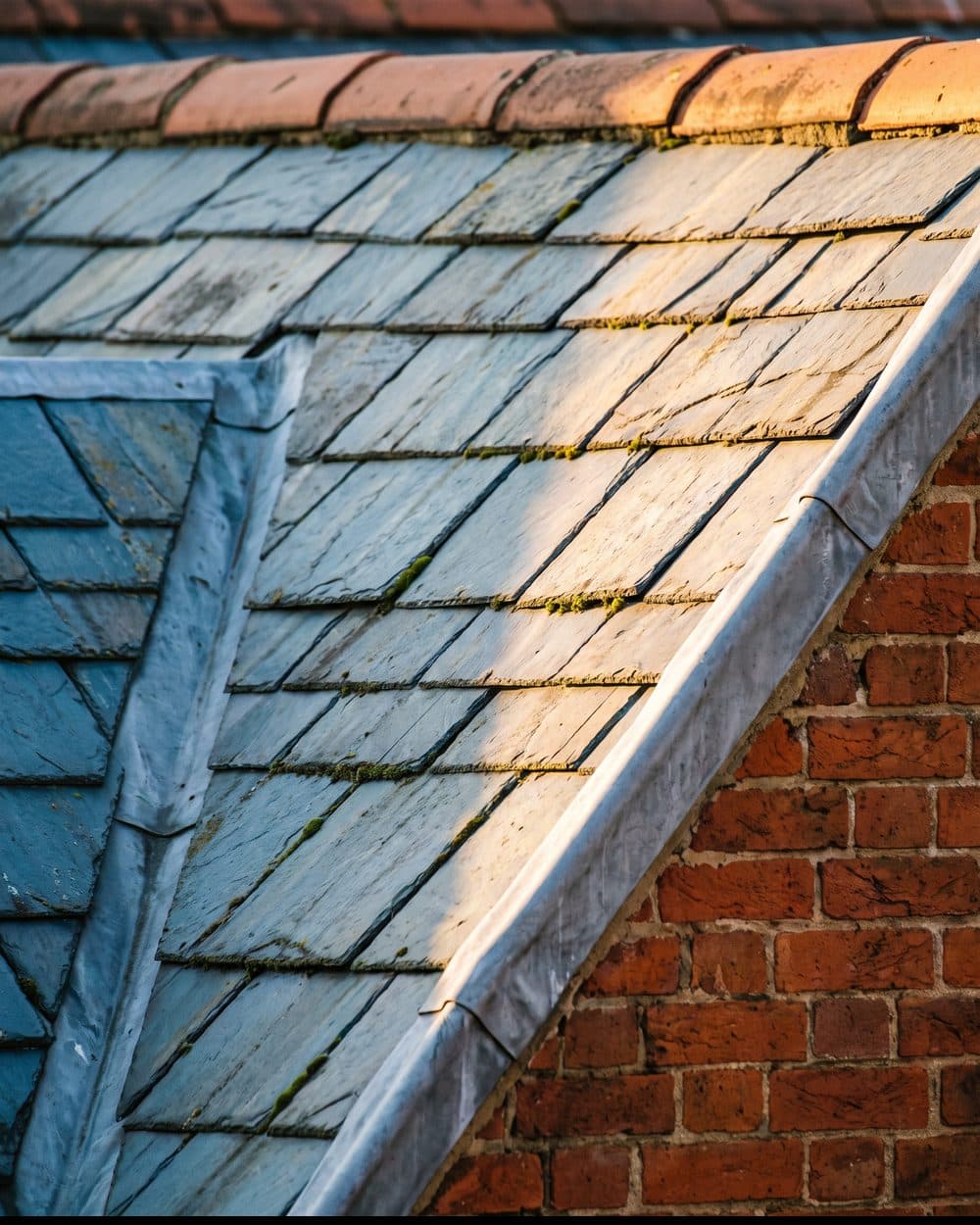
The covering much of Victorian Britain was built with. Dense, non-absorbent and exceptionally long-lived, but unforgiving of poor workmanship — headlap, holing and fixings all have to be right.
See the serviceClay & concrete tile
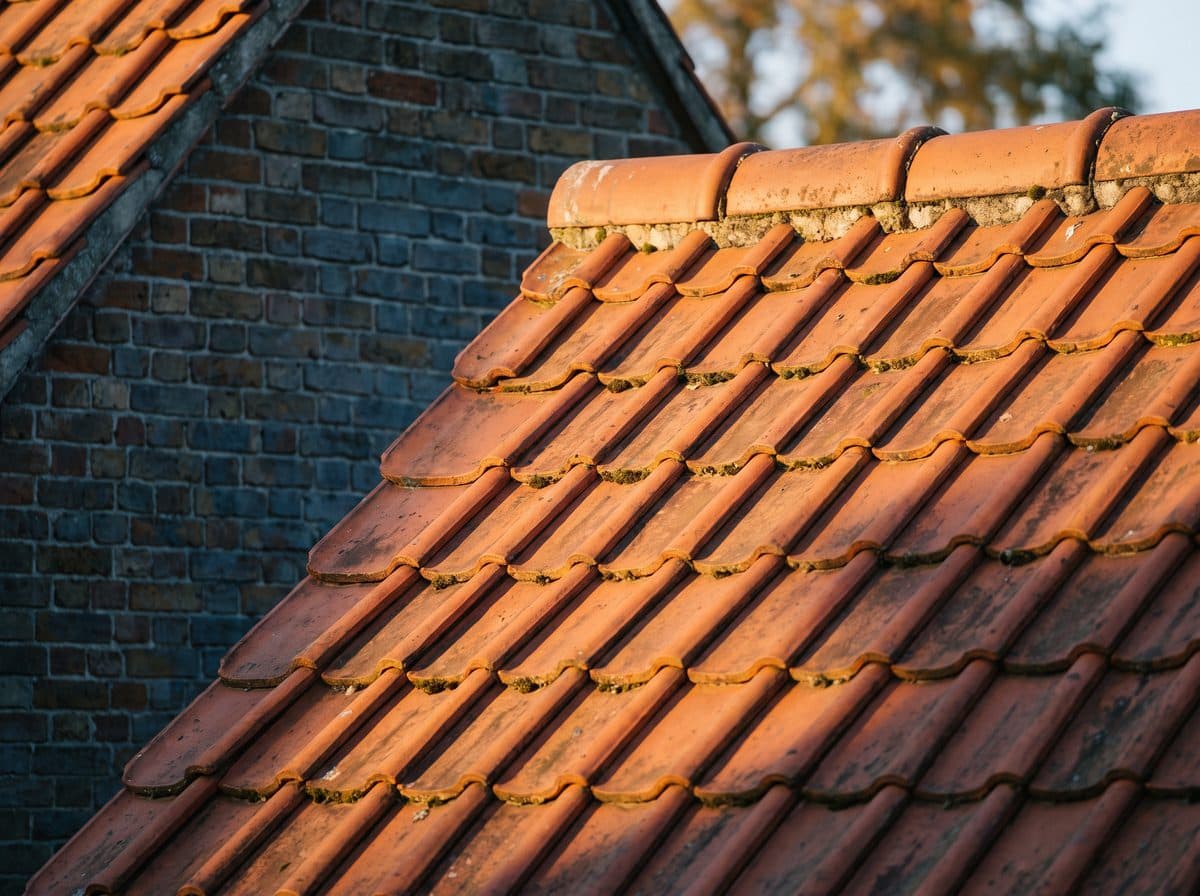
Clay holds its colour and ages beautifully; concrete offers similar protection across more profiles at lower cost. Both repair tile by tile, which is why a few cracked tiles rarely justify a re-roof.
See the service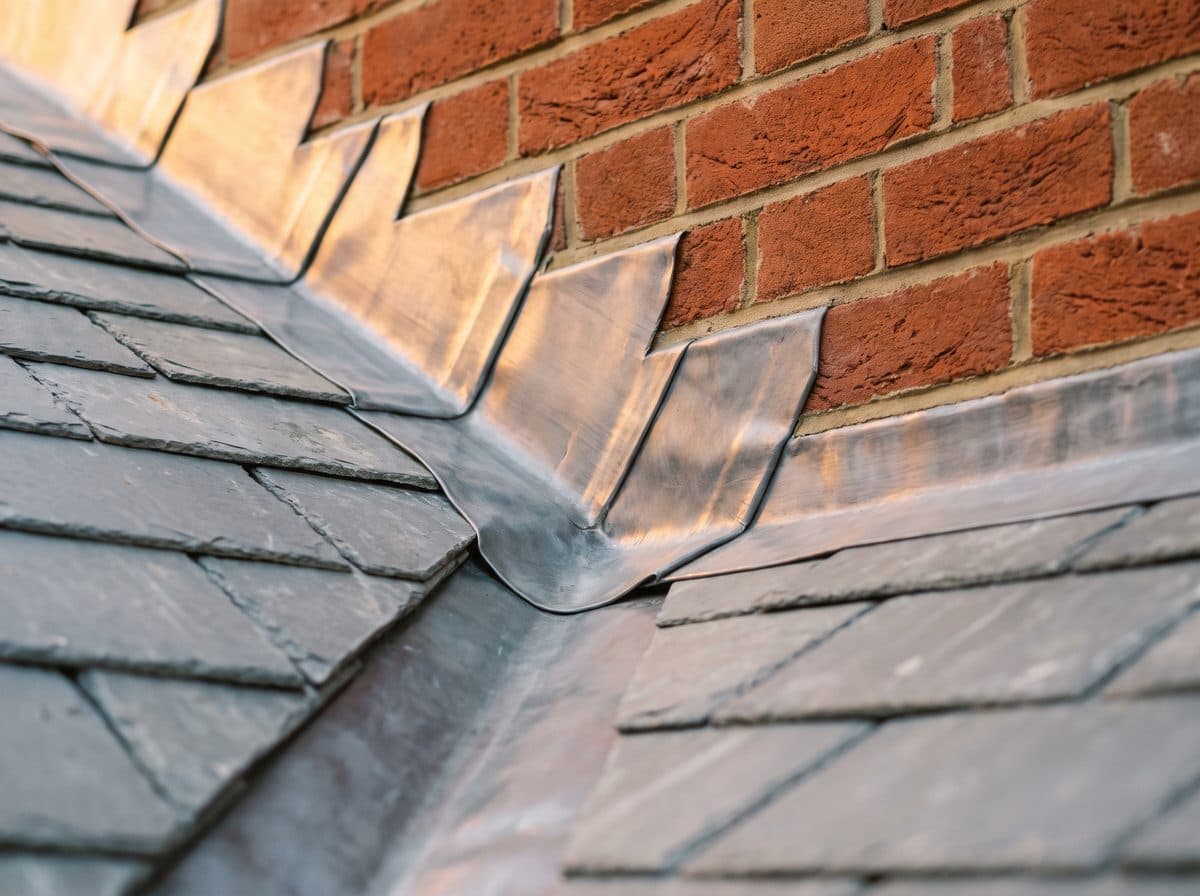
Lead flashing & valleys
A small proportion of the roof and a very large proportion of the leaks. Lead is malleable enough to dress tightly into an awkward junction and durable enough to stay there for decades.
See the service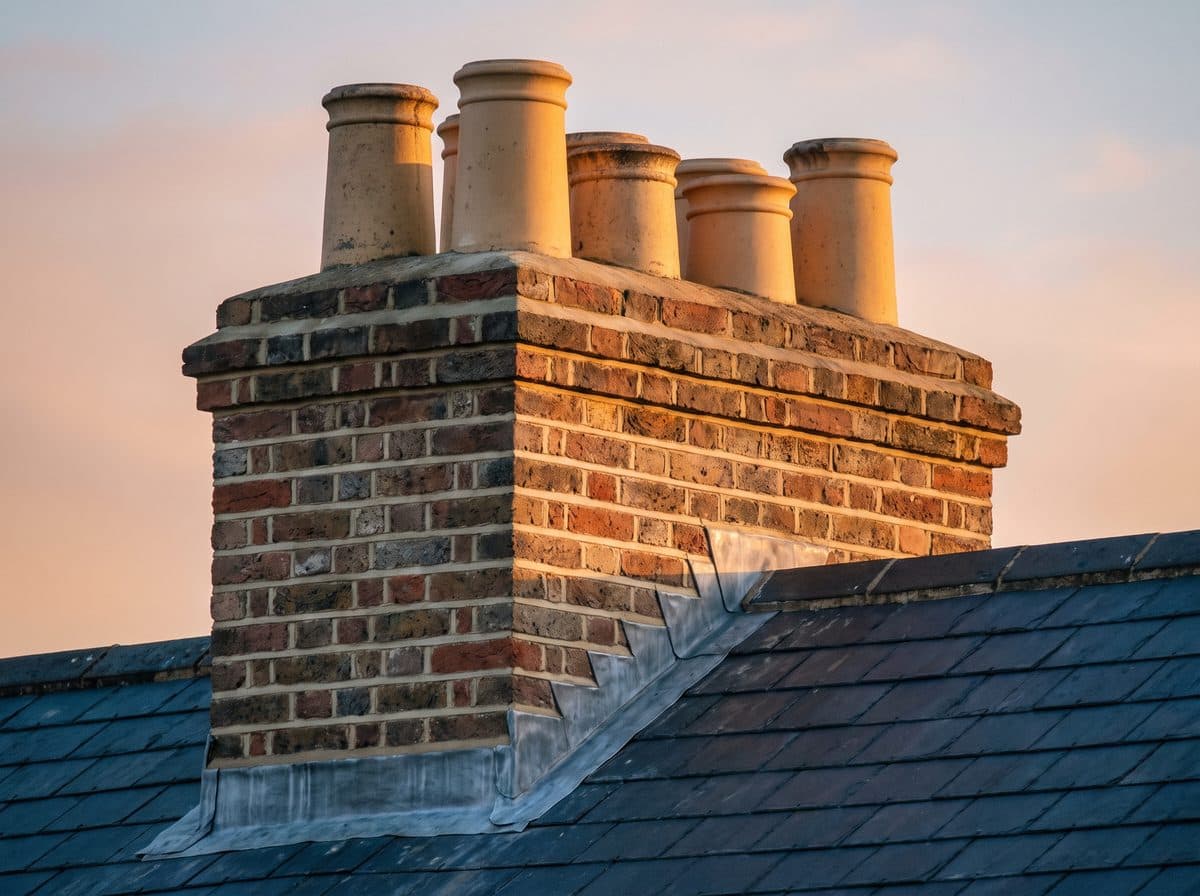
Chimney stacks
The most exposed masonry on the building, catching weather from every direction with no roof over it. Repointing, flaunching and base flashings are what keep damp off the chimney breast inside.
See the service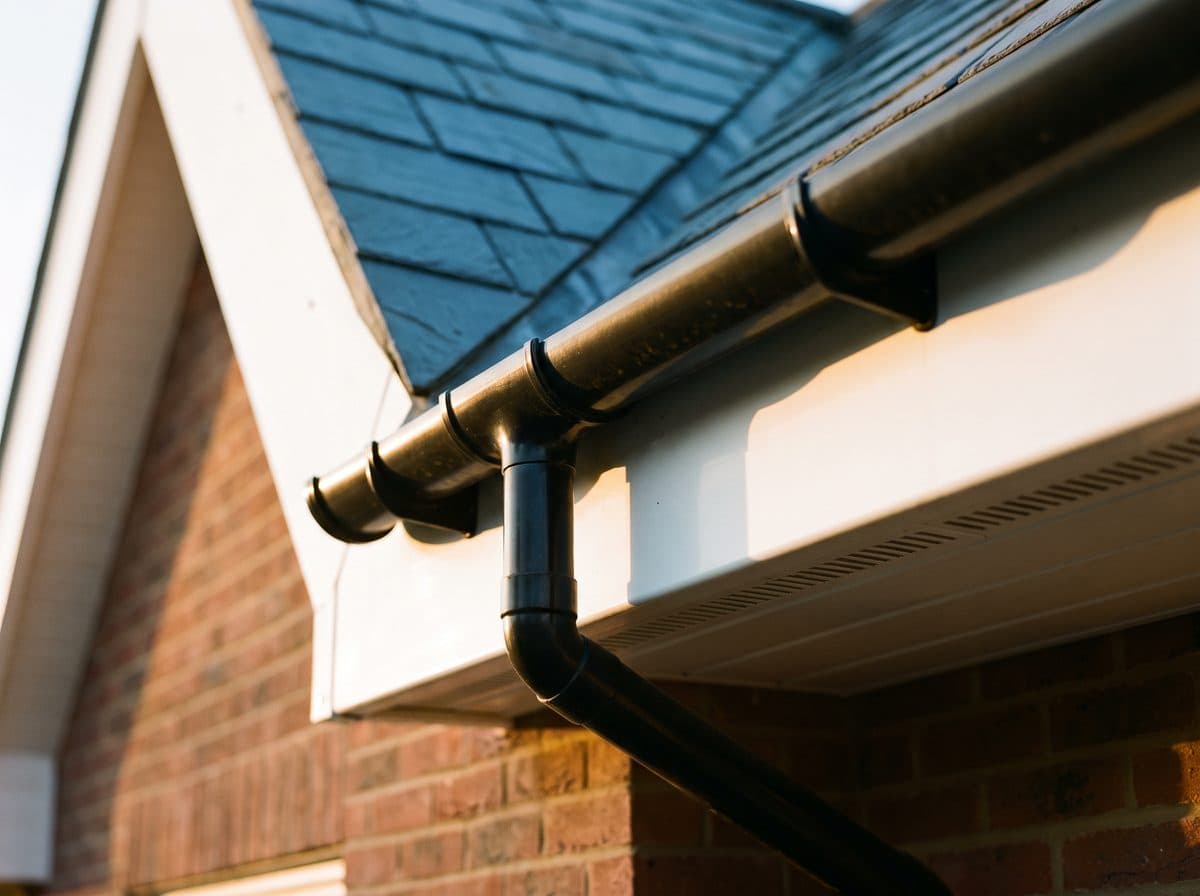
Guttering, fascias & soffits
The roof edge does more than it looks. The fascia carries the gutter and seals the rafter ends, the soffit lets the roof space breathe, and the gutter keeps a winter's rain off your walls.
See the service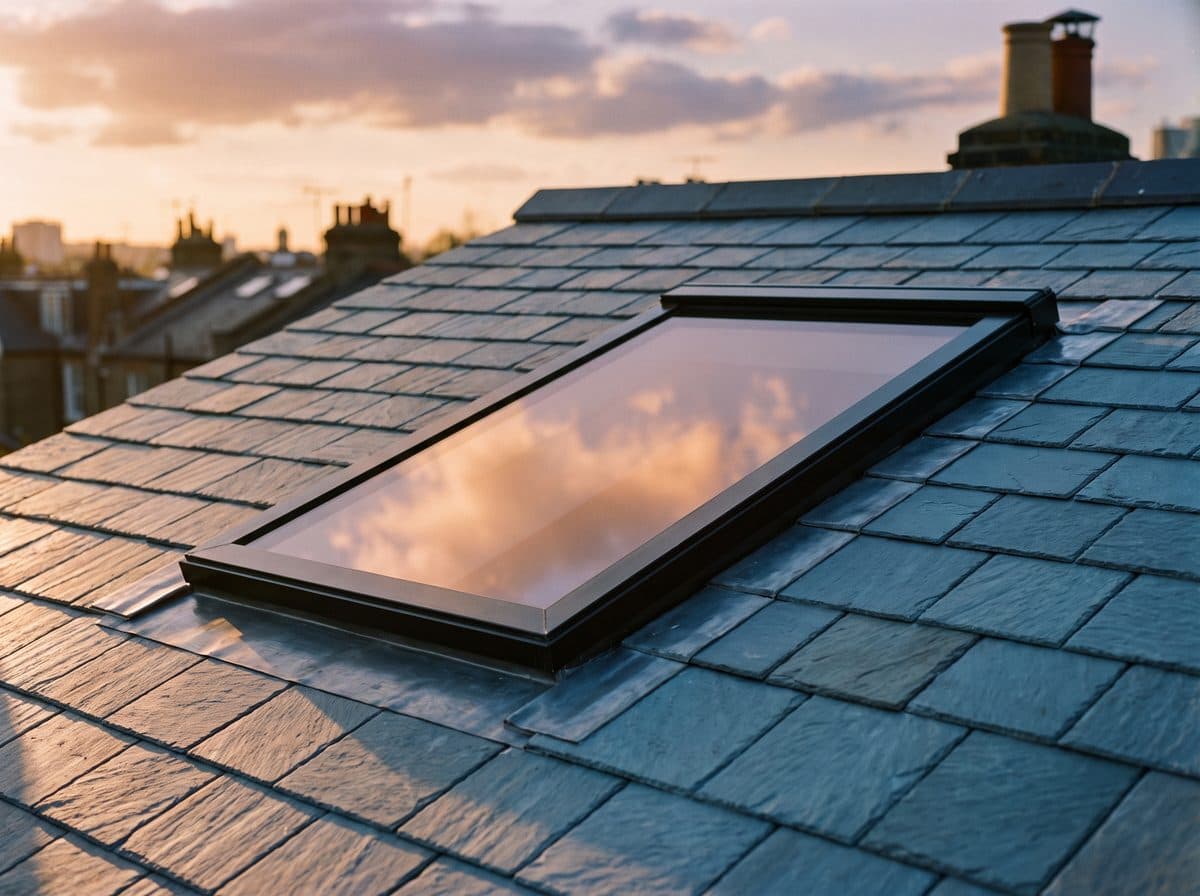
Skylights & rooflights
A deliberate hole in a roof, made watertight entirely by how the flashing kit is dressed into the surrounding covering. Fitted properly, it stops being something you think about.
See the serviceThe photographs above illustrate the materials and roof details we work with. They are reference images of roof types, not photographs of specific completed jobs.
Why the covering changes the advice
The same problem means different things on different roofs. Moss on dense natural slate is largely cosmetic; the same growth on porous concrete tile contributes to freeze-thaw damage over successive winters. Slates that slip in numbers usually point to nail fatigue and an ageing roof; a couple of cracked tiles on a tiled roof is simply a repair.
That is why we do not price roofing work from a photo or a phone description. The covering, the pitch, the age of the property and the state of what sits underneath all change the answer — and all of them are things a survey establishes in half an hour.
Working on period property
Much of the UK's older housing stock is Victorian, which means slate roofs, lead valleys and brick chimney stacks that have been weathering for well over a century. Repairs on those roofs need to be sympathetic to the original: matched in size, thickness and colour, and set so they sit correctly against a hundred years of weathering around them. On a heritage roof, a good repair is one you cannot pick out from the street.
Book a free, no-obligation roof survey.
A detailed written quote, a drone inspection of your roof, and a plain-English explanation of exactly what needs doing.